

Robotics people who know space engineering

SpaceNetics develops robots and integrated production systems for next-generation space infrastructure. We start with inspection, servicing and assembly tasks on orbital computing infrastructure, bring robotics research and space-engineering experience together, and work with mission partners on design, integration and verification.

Bringing construction and production to space

We want tools, structures and production units to be deployed, maintained and updated repeatedly, rather than just having a robot complete a single operation. Our roadmap starts with facility work, extends to in-orbit assembly and production, and explores material handling in more distant environments.

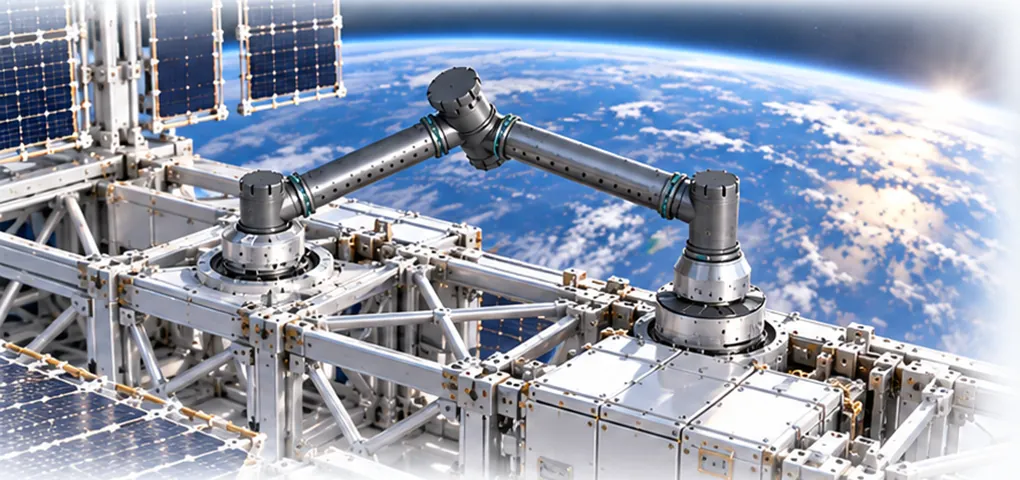
  1. Robotic arm working on the surface of a large truss facility in Earth orbitConcept render
    1

    Maintain and extend facilities

    Inspection, module replacement, structural assembly and continuous extension.

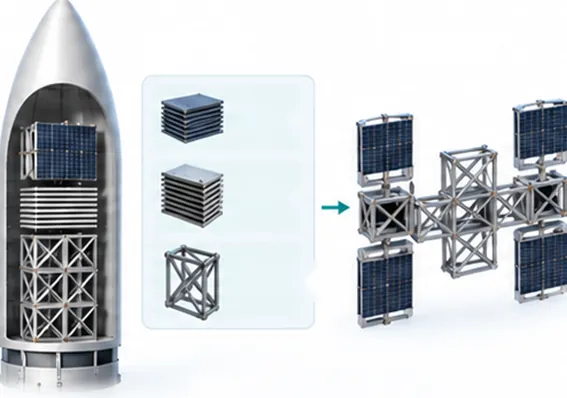
  2. Concept: structural units launched in segments inside a fairing and assembled in orbit into a facility with solar arraysConcept render
    2

    In-orbit assembly and production

    Launch in segments, assemble in orbit, and move towards building satellites and payloads.

  3. An asteroid in spaceConcept render
    3

    Surface tools and material handling

    Survey and sampling, collection and transfer, deploying work infrastructure.

As tasks grow from one module to many tools, many work sites and material flows, robots need more mobility, coordination and reconfigurability. Multi-arm and reconfigurable forms follow from those task needs.

Team

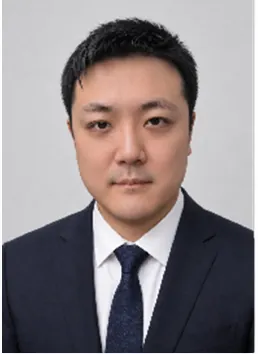
Peijie Yin

Peijie Yin

Co-founder · CEO

Studied at the School of the Gifted Young, USTC; PhD, Academy of Mathematics and Systems Science, CAS. Formerly assistant researcher at the CAS Institute of Automation and research/technology lead at overseas space-intelligence and AI start-ups. Works on hand–eye–brain integration and multimodal intelligence for robots; contributed to space-manipulator and space-sensing projects.
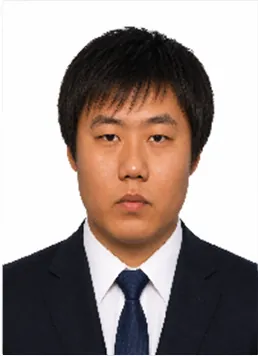
Chao Ma

Chao Ma

Co-founder · Chief Scientist

PhD, Harbin Institute of Technology; associate professor at the School of Mechanical Engineering, University of Science and Technology Beijing, and head of a laboratory for embodied intelligence and advanced robotics. Works on multi-robot coordination and intelligent manipulation and has led research projects including space-system work.

Our core technical team covers

  • Embodied intelligence and manipulation: mobility and manipulation algorithms, relative sensing and planning
  • Hardware, joints and low-level control: mechanisms and lightweighting, motor control and active compliance, embedded and electrical, reliability and environment
  • Space systems and verification: payload and platform interfaces, simulation and ground testing, quality and configuration traceability

How we work with partners

Start from the task

Agree the object, operation and acceptance criteria before discussing robot form.

Write the boundaries down

Host, robot and task-object responsibilities go into an interface list, item by item.

Traceable evidence

Each conclusion states its object, conditions, configuration version and scope.

Move in stages

From joint concept and key-chain verification to system delivery and ongoing support.

Join us

If you have experience in robotic manipulation, joint drives and control, space systems or verification engineering and want to work on real space-operation problems, get in touch.

See careers