 Mission simulation
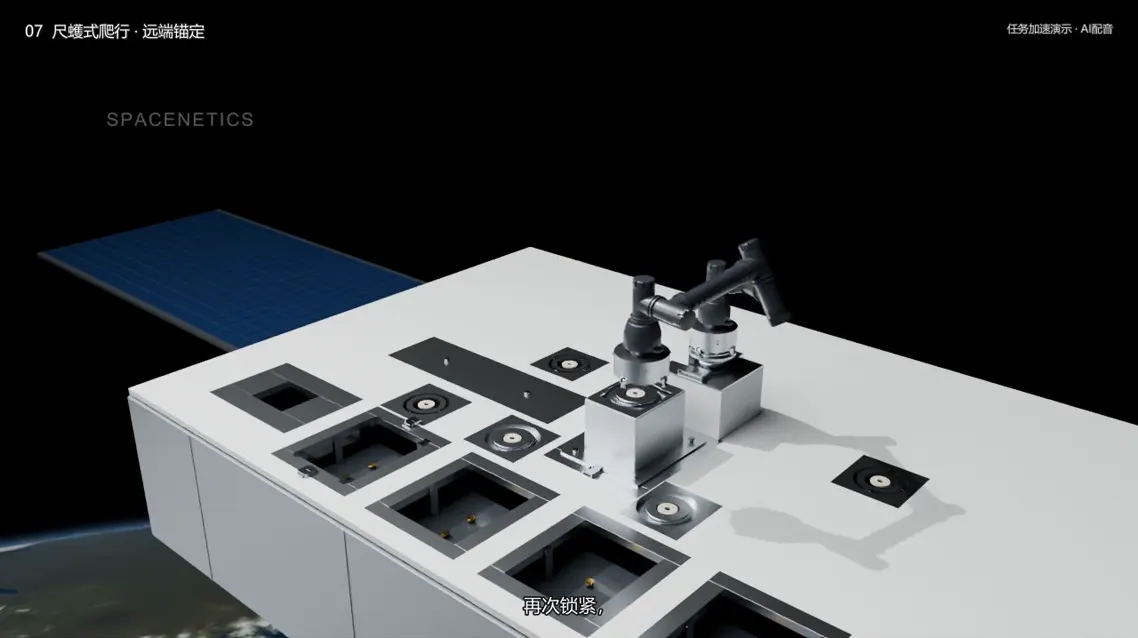
S7 surface relocation and fastening
Alternate anchoring on cooperative interfaces, relocation, tool and module handling.
SpaceNetics
Robots that sustain construction and production in space.
We are developing robots built to work on space facilities: inspecting equipment bays, servicing surfaces, assembling structures. Arm, interfaces, tools and control have to be designed as one, then integrated and verified with mission partners.
Rockets solved how to get there. The next question: once you are there, who does the work?
Building, repairing and producing in orbit all need a pair of hands that keeps working. We are developing those hands, and the system that lets them work reliably.
Mission simulation · 1.5× speed · on-screen subtitles in Chinese
Representative mission
One end locks, the other steps. Nothing lets go until the new lock is confirmed. Only then does it move the module, swap tools and fasten, and finally put the tools back. At every step it has to know where it is, what is holding it, and whether the next move is safe.
One end holds; the other steps along cooperative interfaces to the next anchor.
No force goes in until the new end is locked.
Move the module, guide it in, swap tools, tighten the bolts.
Tools back in place, arm back in a safe pose, result checked.
Near-term missions
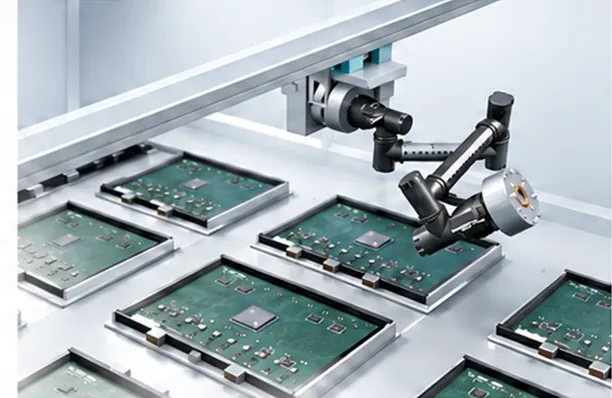 Concept render
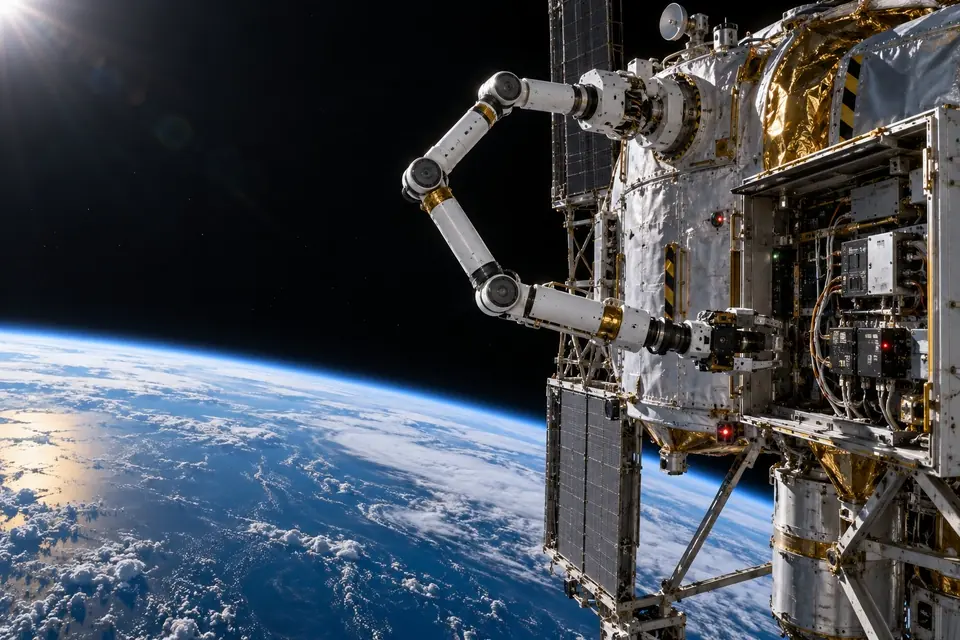
Equipment is packed in tight, people cannot get in, and sight lines are blocked everywhere. The robot has to read status, find the work site and operate in a cramped space. Where it mounts and what it can see have to be defined with the platform owner.
Current stage · Concept study · mission-flow simulation
Read more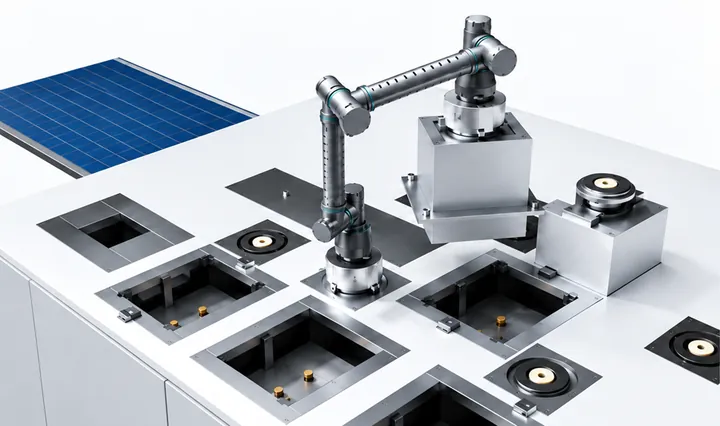 Concept render
The platform is still good; one module has aged. The robot walks over on cooperative interfaces, anchors, and swaps it out. Work sites and interfaces have to be designed with the mission owner so the facility is serviceable from day one.
Current stage · Concept study · mission-flow simulation
Read more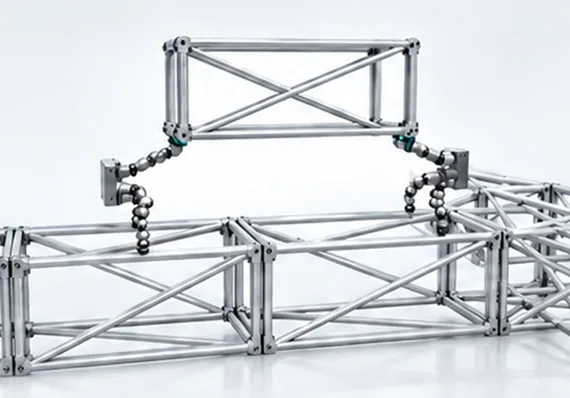 Concept render
The structure is too big for one launch, so it is put together in orbit. Several arms carry, align and join it together, without fighting each other.
Current stage · Concept study · multi-arm simulation
Read moreThe whole system
The robot lives on someone else’s platform. It draws that platform’s power, uses its communications and cooling, and disturbs its attitude. So arm, tools, control and mission software have to be designed and verified together with the host and the objects being handled.
Single-arm, in-bay and multi-arm configurations sharing joints and control modules
Anchor, tool and object interfaces defined separately
Relative sensing, layered skills, joint-level active compliance
Requirements, configuration, steps and evidence kept in step
Responsibilities are agreed item by item in mission review; we do not assume every host offers the same conditions.
Engineering evidence
Reach, order of steps, support and contact force are run again and again in mission simulation first. What a simulation shows, and what it does not, is written right next to it.
Mission simulationAlternate anchoring on cooperative interfaces, relocation, tool and module handling.
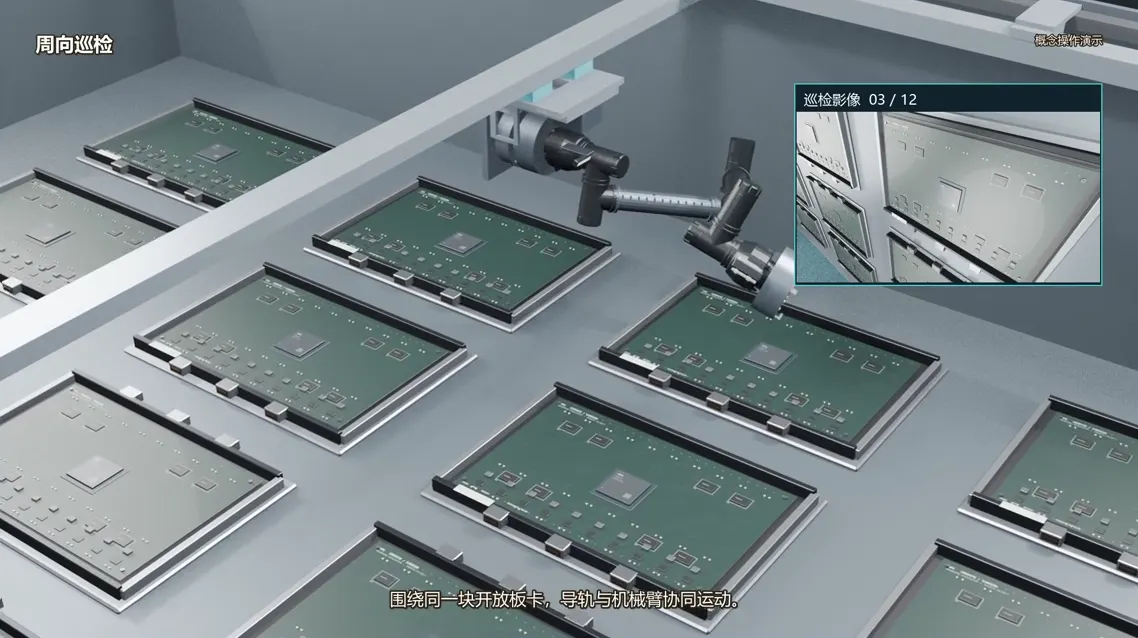 Mission simulation
Reach in confined bays, viewpoint selection and task order.
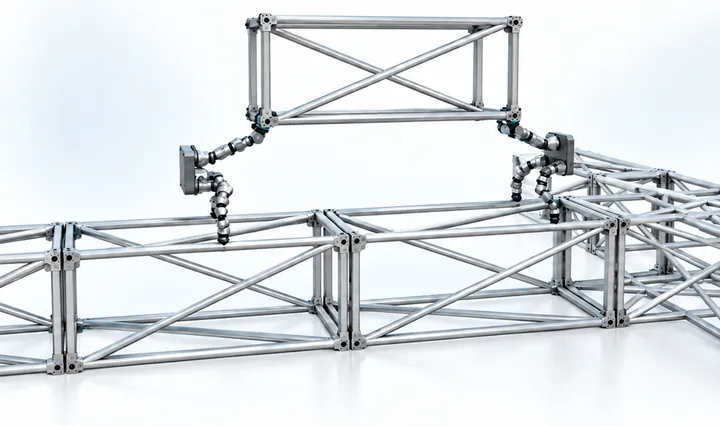 Concept render
Concept for coordinated handling, relative alignment and structural joining.
Long-term vision
In the age of sail, ships were followed by ports, shipyards and workshops. Space will follow the same path: first maintaining and extending facilities, then assembling and producing in orbit, then carrying tools and materials to more distant surfaces. Every leg of that voyage needs robots that can do the work.
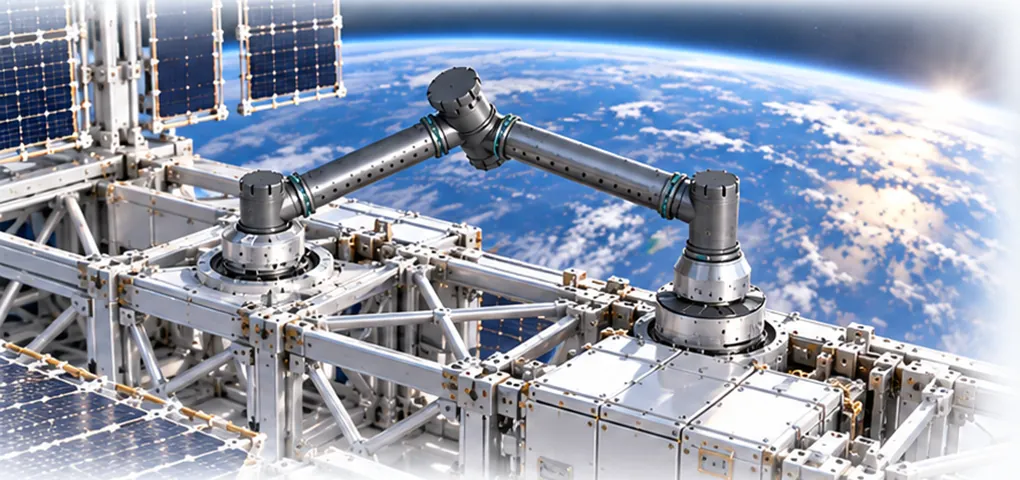 Concept render
Inspection, module replacement, structural assembly and continuous extension.
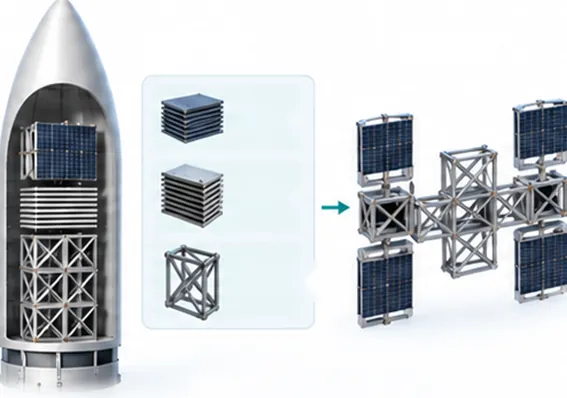 Concept render
Launch in segments, assemble in orbit, and move towards building satellites and payloads.
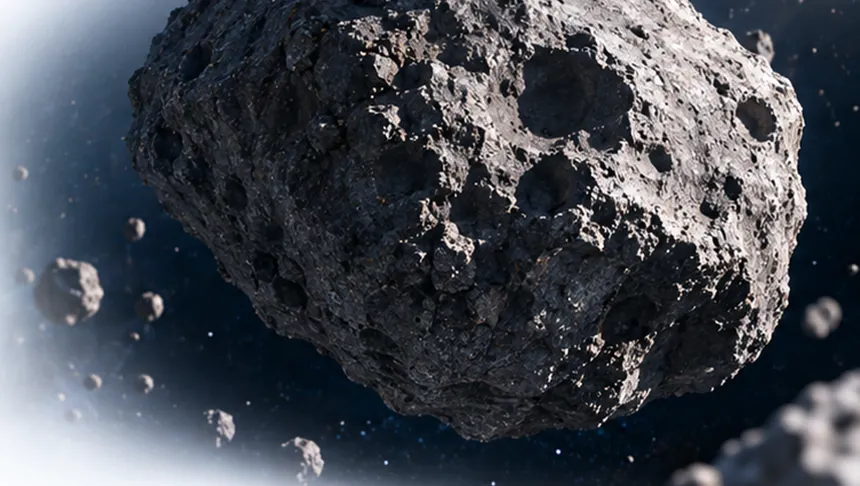 Concept render
Survey and sampling, collection and transfer, deploying work infrastructure.
The later stages are long-term directions: orbital construction and surface work will be verified separately, sharing manipulation intelligence, control and systems engineering.
Explore
Orbital Works is our space-engineering game. Use keyboard and mouse to drive a dual-ended seven-axis arm through tool changes, fault-finding, insertion and base switching on an orbital node.
Game footageEngineering notes
One end stays anchored while the other moves; once the new end locks, they swap roles. The hard part is keeping support continuous throughout and applying no task load before the lock is confirmed.
Read more Q2When several arms grip one part they form a closed chain, and small position errors turn into internal force. We work on relative-motion planning and joint-level active compliance so that contact forces during joining are sensed and adjustable.
Read more Q3We map the object, configuration version, task steps and acceptance criteria to each other, and record for every simulation or experiment which version ran, under what conditions and with what conclusion.
Read moreTell us the object, the platform and where your project stands. Together we turn it into a task description, an interface list and a verification scope both sides agree on.